Education / Runner
Written by real crew

5 Min Read
Whether this is your very first job in the film industry or you’ve done a few gigs and are still finding your feet, welcome! Being a runner is one of the best ways to get your start on set. The runner position has its own unwritten rules of set etiquette that you often only learn by being on set… or by reading this guide.
If you want a camera trainee-focused set etiquette guide, click here instead.
What this guide isn’t.
You won’t find the usual “arrive early”, “don’t talk to actors”, or “be respectful” here.
Those things are obvious, and every other set etiquette guide covers them.
This guide is about the stuff you typically learn on the job, the subtle expectations, the unspoken rules, the habits that make people actually want to hire you again.
This might sound simple, but it’s easy to forget when you’re excited or moving around a lot.
Stay out of the actor’s eyeline. Even if you think you’re invisible, being in the wrong place can distract actors.
Stay still during takes. Don’t fidget, walk, or shift around while the cameras are rolling.
Keep your eyes down or away from the action. Avoid locking eyes with actors. It can be very distracting for them.
Remember, the actors and camera crew need to focus on the shot, and your job is to be invisible while supporting the production.
If you’re new to film, it may be your first time using a radio.
It’s easy to mess up if you’re not careful.
Think before you speak - Pause half a second. Make sure what you’re about to say is necessary and clear.
Don’t hot mic - Do not lean on the PTT (push to talk) button. Nothing can annoy the crew faster than breathing loudly into channel 1 for 20 seconds.
Confirm tasks - When given an instruction, always respond:
“Copy”
“On my way”
“Didn’t copy, say again”
Silence makes people wonder if you heard them or if your radio died.
Never talk during a take - If the camera is rolling, you stay silent on the radio. Full stop.
Use a covert earpiece - Never walk around blasting the entire set’s comms through your radio speaker. Typically, only the 1st AD will have an open radio (a radio with no covert).
Don’t touch what's not yours
If you need to move items or kit around on set, always ask someone from the corresponding department before doing so (or better yet, ask them to do it).
Not because departments are territorial (well… sometimes), but because:
If you move someone’s gear without them knowing, they can waste precious time searching for it.
You might break something you’re not familiar with.
It might be there for a reason.
If in doubt, leave it alone.
On smaller sets, it will usually be an “all hands on deck” type of job. However, you should still ask before moving.
Taking photos
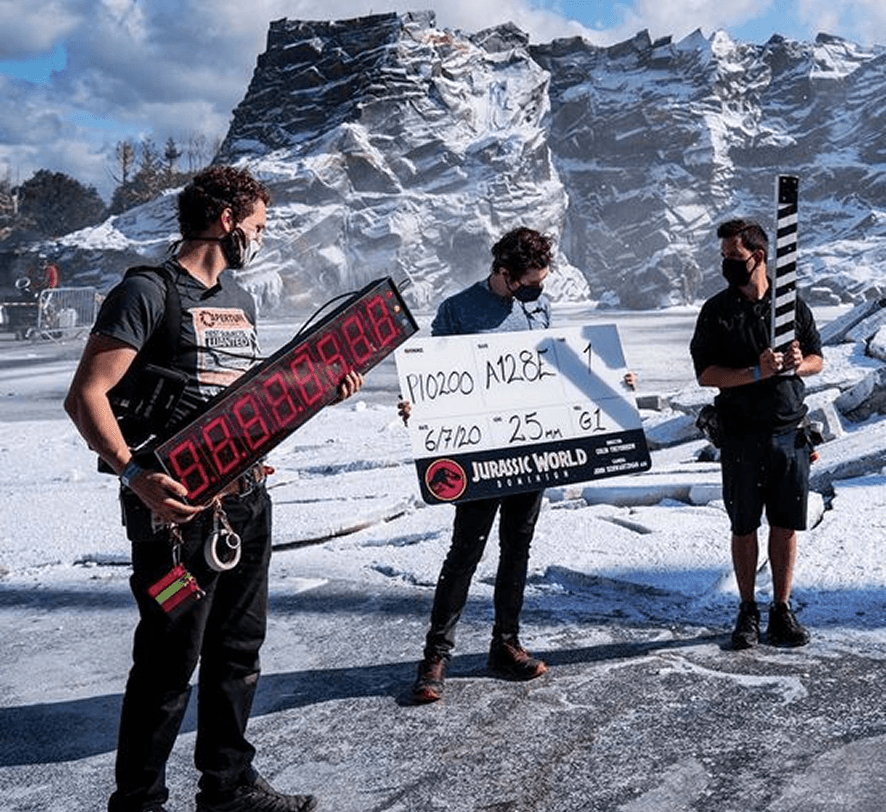
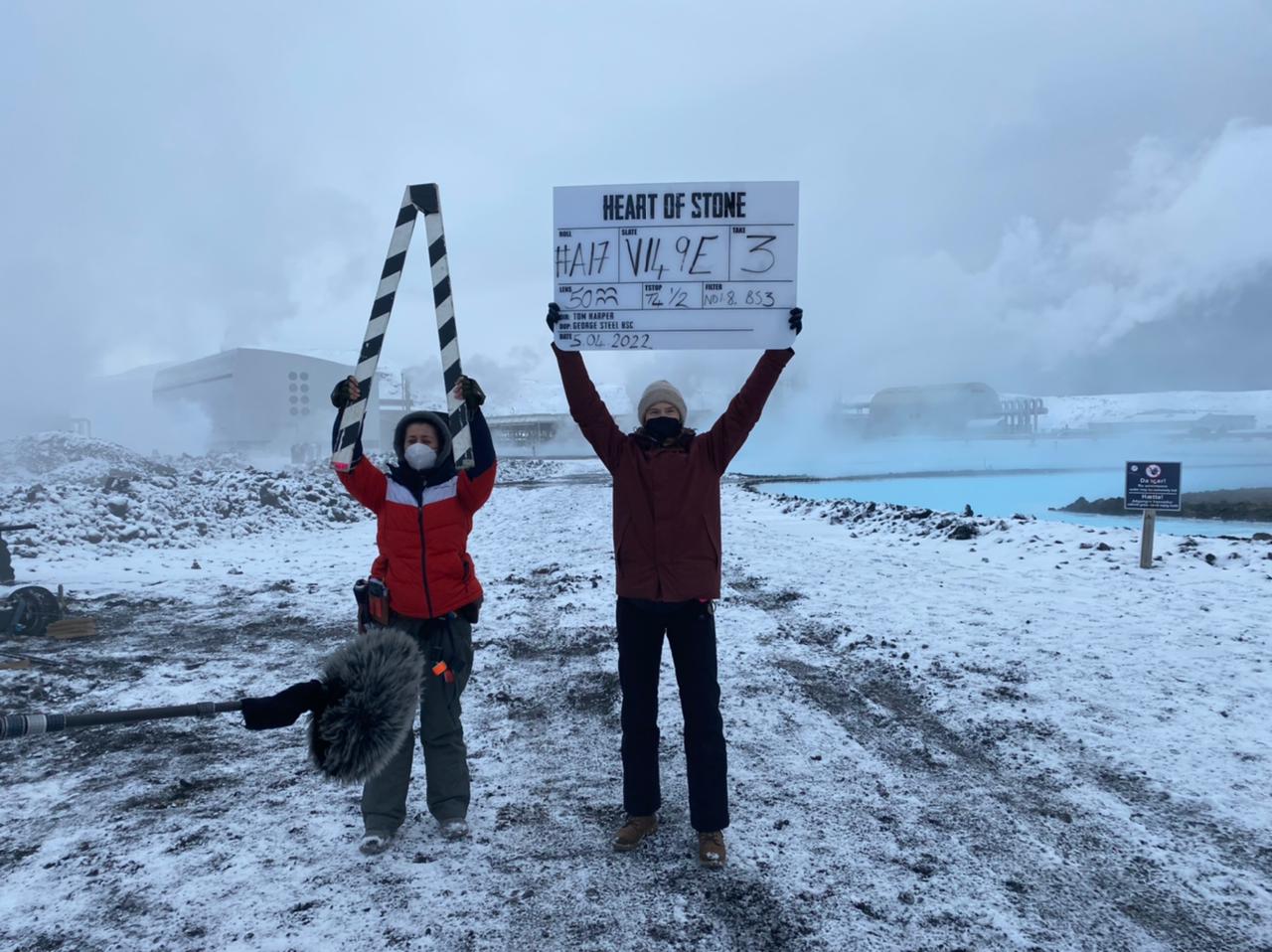
Many guides will tell you never to take photos on set. We disagree. Photos, if posted to social media, can help you get more work in the future.
Take photos only when you’re not busy or in the middle of a take.
Follow your department. If others are taking photos, it’s usually a good signal that it’s okay.
Don’t post photos until after the film is released. NDAs (non-disclosure agreements) are serious, and posting early could get you fired.
Use common sense and read the room. If it feels wrong, don’t do it.
Photos can be a great way to document your experience, but always prioritise the set and your responsibilities over Instagram.
Don't give advice
When you’re new on set, it can be tempting to share your thoughts about a shot or the director’s direction (especially on a smaller job), but it’s important to resist that urge.
Avoid offering your opinions to the director or AD. They aren’t looking for feedback from a runner, and unsolicited advice can come across as presumptuous and is often unwanted.
Remember, your primary role is to learn and support the team, not to critique it.
Don't complain
Film sets are high-pressure environments, and as a runner, you’ll see it all. The difference between a memorable runner and a forgettable one often comes down to attitude.
Smile and stay calm even during chaos.
Accept long hours, sudden changes, and last-minute requests without complaint.
Be the person people want to rely on in a pinch.
A positive reputation as a runner can open doors across all departments.
Don't stand in doorways
You see this a lot on set, even by seasoned professionals. Things get busy, and you may find yourself blocking people from entering a room because you’re standing in a doorway.
Be aware of your positioning and keep out of the way.
Don't walk in front of the camera
Even when cameras aren’t rolling, directors and DPs may be checking the monitor for lighting changes, framing, blocking, etc.
Stay out of the camera's view at all times.
If you must cross, always announce yourself by saying “crossing”.
Never assume it’s fine just because the camera isn’t actively recording.
Being mindful of your positioning shows professionalism and respect for the craft.